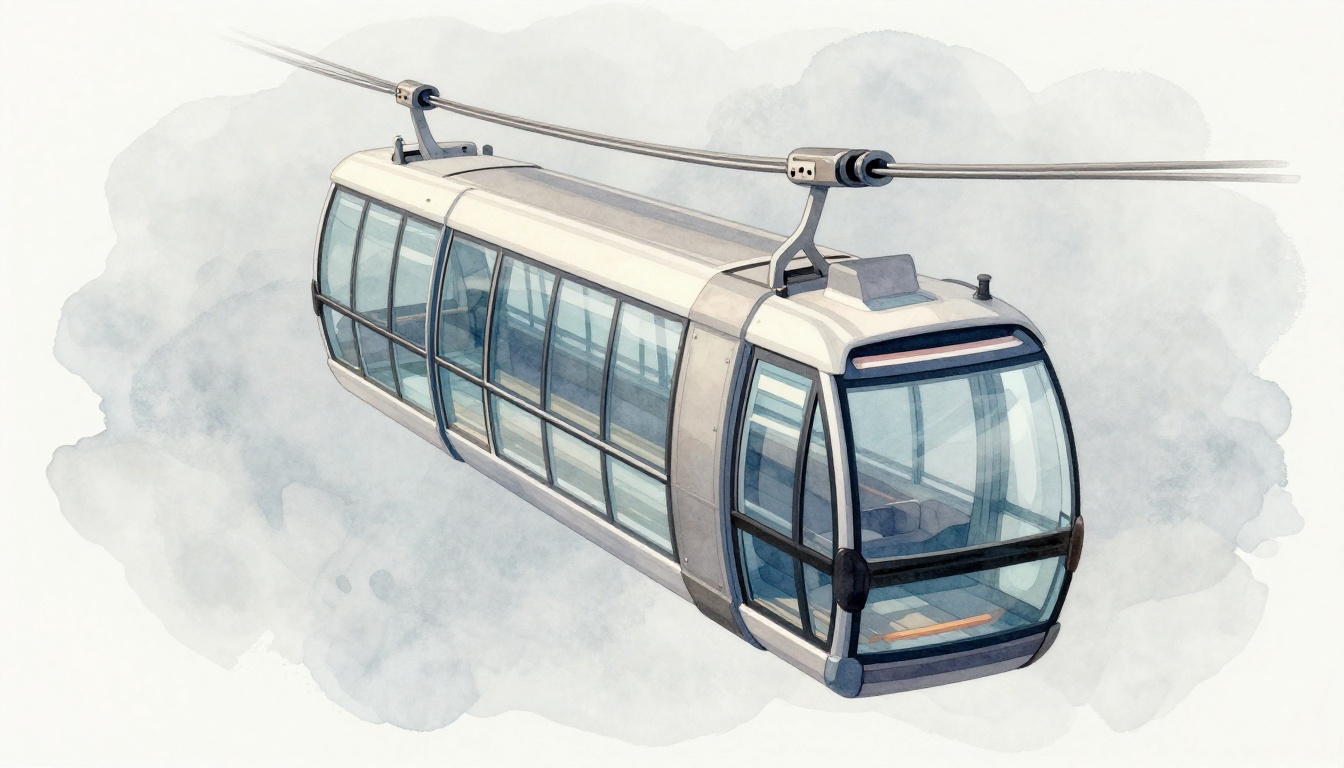
You can hear an elevator start, feel it shift, then relax. That comfort comes from layered safety design. In fact, a true free fall is almost impossible on modern elevators, because multiple backups stop motion if something goes wrong.
So how do elevators move up and down without turning a ride into a risk? The answer is simple in pieces, then powerful in combination: the motor and cables control motion, a counterweight balances the load, and safety systems stand by at every step. Brakes, sensors, and emergency devices act fast if speed, alignment, or door behavior goes off track.
This is also why industry rules matter. Most modern elevators are built and maintained to meet ASME A17.1 requirements. And while no system is perfect, safety improvements are real. In March 2026 reporting, elevator data shows about 27 deaths per year in the US and about 10,000 injuries, with many serious incidents involving people who work near shafts.
Ready to see what’s happening under your feet, floor after floor? Let’s walk through the mechanics and the safety layers that make elevator rides feel steady and predictable.
The Simple Setup That Makes Elevators Glide Up and Down
A good elevator trip works like a well-tuned balance beam. The car goes up because the system controls pull. It goes down because the system controls release.
Inside a typical traction elevator, an electric motor turns a pulley. That pulley winds or unwinds steel cables attached to the car. At the same time, guide rails help the car stay aligned in the shaft.
If you want a clear technical baseline, MIT’s “How an Elevator Works” overview explains how power turns into motion and why braking matters. See How an elevator works from MIT.
How Motors and Cables Team Up for Lift
The motor doesn’t “lift” the car directly. Instead, it drives a sheave (pulley) at the top. Then the sheave manages the cables.
When the control system commands an up trip, the pulley winds in cable. That shortens the cable length on the car side, pulling the car upward. When the system commands down, it lets the cable unwind at a controlled rate.
Here’s the visual analogy: imagine pulling a bucket from a well. The rope can hold a heavy load, but you still need steady hands. In an elevator, the “steady hands” are the motor controls plus fast feedback from sensors.
Counterweights: The Secret to Effortless Rides
A counterweight sits on the other cable side. It roughly matches about half the car’s load. That balance saves energy and reduces strain.
When the car is light, the counterweight helps it move upward. When the car is heavy, the counterweight helps control the downward trip. Either way, the motor doesn’t fight gravity alone.
Because the weight is balanced, starts and stops feel smoother. Also, systems experience less wear over time. Think of a seesaw: balanced is easier to control, unbalanced is not.
Guide Rails: Keeping Everything Straight and Steady
Even a perfect motor can’t fix wobble in a tight shaft. Guide rails solve that problem.
The car connects to guide shoes or rollers that ride along the rails. This keeps the cab from swaying. It also matters for safety because other systems depend on predictable alignment.
Most importantly, stable guidance helps brakes grip correctly. If the car could drift, a brake system would have a harder time doing its job fast.
Safety Brakes and Governors: Your Instant Stop Buttons
Motion control is only one layer. The next layers exist for emergencies. If speed rises too far, or if tension changes suddenly, the elevator has to stop before gravity can take over.
A common pattern uses two ideas together:
- Brakes that can clamp hard
- A governor that detects overspeed and triggers the brake action
These systems are designed with redundancy. That’s why “free fall” is such a rare outcome on modern elevators.
Safety Gears That Clamp Down on Rails
If the elevator speeds up beyond a safe limit, the safety mechanism engages. It can clamp pads or wedges against the guide rails.
In plain terms, the elevator turns from a moving system into a gripping system. The rails become the “stop track,” and the car gets held in place.
You can also see how braking is designed to handle both normal service and extreme events in this explanation of braking systems from elevators.com: How elevator brakes work for safer rides.
Governors Watching Speed Like a Hawk
A governor monitors speed constantly. Many governors use a small pulley and a rope or cable linked to elevator motion.
When speed gets too high, the governor triggers a switch. That action causes the safety gear to grip the rails. In other words, the system doesn’t wait for a disaster. It reacts when data says conditions are out of bounds.
Smart Sensors and Backup Systems for Every ‘What If’
Most elevator problems start small. A door might not fully close. The car might drift slightly off level. A part might act “off” before it fails.
Smart elevators use sensors to catch these issues early. Then they apply controls to prevent movement when safety conditions aren’t met.
Sensors That Spot Trouble Before It Starts
Door safety is a big deal. If an elevator door doesn’t close right, the system should prevent the trip. Many elevators use door sensors that detect obstructions.
Elevators also use position sensors for floor leveling. Overload detectors stop trips when the car is too heavy. Alignment sensing helps the cab match the floor opening within safe limits.
These checks reduce the kinds of mistakes that lead to injuries, especially around boarding and maintenance.
Emergency Power and Alarms to the Rescue
Even with strong safeguards, emergencies can still happen. So elevators plan for “what if” moments.
Common backups include:
- Battery power to move or run safety circuits
- Emergency alarms and phones so help reaches passengers quickly
- Buffers at the pit bottom, which soften the end of a slide if something fails
Also, modern safety codes and test requirements shape these systems. ASME and related standards set expectations for things like door behavior, backups, and emergency response. For an industry overview of recent rules, see ASME A17.1 safety code updates.
The key idea is layered protection. One safety system rarely does everything.
2026 Tech Upgrades Taking Elevator Safety to the Next Level
In 2026, elevators get smarter without relying on “hope.” They rely on monitoring and earlier warnings.
AI and advanced sensors can watch for patterns that point to faults. For example, abnormal motor behavior or unexpected door timing can trigger alerts before the issue becomes an emergency.
Industry reporting also highlights practical tools. Some companies now use AI-based safety assistants to support maintenance workflows, flagging concerns faster. For a recent example, check TKE launches an AI-powered safety assistant.
Here’s how these upgrades help in everyday terms:
| Upgrade type | What it helps prevent |
|---|---|
| AI fault prediction | Unexpected breakdowns that could lead to unsafe conditions |
| Door interlock and sensing | Trips with doors not properly closed or aligned |
| Real-time monitoring | Quick maintenance responses before wear grows |
| Improved backups | Faster rescue actions during power loss or failure |
In addition, many systems keep the trip feeling smooth. Better controls reduce harsh starts. Better leveling reduces risky missteps when people step off the cab.
Elevator safety isn’t about one feature. It’s about many small barriers that keep the ride normal, even when something acts strange.
Conclusion
Elevators move up and down safely because they don’t trust a single layer. They balance the load with counterweights, guide the car with rails, and stop motion with brakes and governors if speed or tension goes wrong.
Then the ride gets another shield. Sensors, door checks, overload detection, and emergency backups catch problems early and protect riders during emergencies.
Next time you step into an elevator, you can trust the physics and the engineering. Share this with someone who feels nervous, and ask yourself this: how many safety checks must be in place for a system to feel that calm?